How to Safely Store LPG in Storage Tanks?
LPG (Liquefied Petroleum Gas) has become essential in various industries and households. According to a report by the International Energy Agency, global LPG consumption reached 320 million tonnes in 2021. With this rise, the need for safe LPG Storage Tanks is critical. Safety is paramount to prevent accidents and ensure environmental protection.
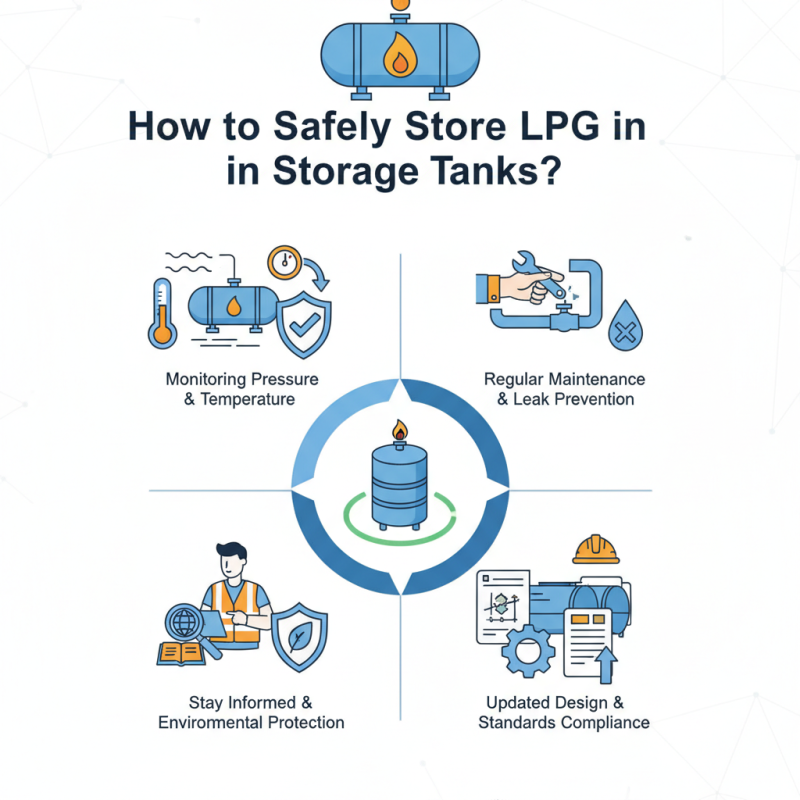
Proper storage practices help mitigate risks. Pressure fluctuations and temperature changes can impact LPG stability in Storage Tanks. Inadequate facilities can lead to leaks. Such incidents can cause significant harm to both people and the environment. Furthermore, reports indicate that improper storage results in losses worth millions annually.
Reflection on current practices is essential. Many facilities overlook routine checks and maintenance. In addition, the design of some tanks may not meet updated safety standards. Constantly evolving regulations challenge storage practices. Thus, staying informed about best practices is vital for creating a safer storage environment for LPG.
Understanding LPG and Its Properties
Liquefied petroleum gas (LPG) is a blend of hydrocarbons, primarily propane and butane. This combination is commonly used for heating, cooking, and fuel. LPG is stored in a liquid state under pressure, which transforms it into gas when released. Understanding its properties is vital for safe storage.
LPG is flammable and can create explosive mixtures with air. Proper ventilation is necessary in storage environments. Tanks should be kept cool and away from heat sources. Regular inspections can prevent leaks. Any sign of corrosion or damage on tanks should be addressed immediately.
Some people underestimate the importance of safety measures. They may think that their setup is secure. However, even small leaks can lead to significant hazards. It's crucial to be aware of the environment around storage tanks. Regular training for personnel can boost awareness and safety practices. Remaining vigilant and prepared can save lives and protect property.
How to Safely Store LPG in Storage Tanks? - Understanding LPG and Its Properties
| Dimension | Details |
| Storage Tank Type | Vertical and Horizontal |
| Material | Carbon Steel, Stainless Steel |
| Capacity | 1000 liters to 10000 liters |
| Operating Pressure | 8 - 16 Bar |
| Temperature Range | -20°C to 50°C |
| Safety Features | Pressure Relief Valves, Level Gauges |
| Maintenance Frequency | Every 6 months |
| Regulatory Standards | API 620, ASME |
| Leak Detection | Using Electronic Sensors |
| Ventilation Requirements | Adequate Ventilation Required |
Selecting the Right Storage Tank for LPG
When selecting a storage tank for LPG, safety is paramount. The size and material of the tank are critical factors. You can choose between above-ground and underground tanks. Each has its pros and cons. For example, above-ground tanks are easier to inspect but can be vulnerable to damage.
Another important consideration is the tank’s capacity. It should match your needs without risking overflow or underuse. Regular maintenance and inspection should not be overlooked either. A clean tank ensures the LPG remains uncontaminated.
Moreover, don't forget local regulations. They may specify tank dimensions or installation protocols. Ignoring these rules can lead to serious consequences. Always involve professionals in the selection process. Their expertise can guide you in making informed decisions, ensuring a safe setup. Each choice you make can significantly impact safety and efficiency.
Best Practices for LPG Tank Installation
When installing LPG Storage Tanks, safety is paramount. Proper site selection is critical. Tanks must be placed away from ignition sources and populated areas. According to the National Fire Protection Association, at least 25 feet is recommended between storage tanks and buildings. This distance reduces risk, but it’s often overlooked in many installations.
Tank installation should also include appropriate secondary containment measures. This limits potential leaks. Many industry experts recommend using a containment trench or dike. A study by the International Energy Agency indicates that leaks from tanks can lead to significant environmental damage. Yet, it appears that less than half of facilities implement these systems effectively.
Regular maintenance is another crucial factor. Inspection schedules should be established, with checks on valves and connections. A report from the American Petroleum Institute highlights that routine inspections can prevent over 30% of major incidents. However, not all facilities commit to this standard practice. Following these best practices ensures a safer environment for all involved.
Best Practices for LPG Tank Installation
Safety Measures for LPG Tank Maintenance
Proper maintenance of LPG storage tanks is crucial for safety. According to the National Fire Protection Association, improper handling of LPG can lead to severe accidents. Regular inspections are essential to detect leaks or corrosion. Corrosion can weaken tanks, increasing the risk of leaks. Hazardous gas leaks can lead to fires and explosions.
**Tip:** Always perform weekly visual inspections of your LPG tank and its connections. Look for signs of wear, such as rust or cracks. This practice can help catch issues early, ensuring a safer environment.
Proper ventilation is vital around LPG tanks. A well-ventilated area reduces the risk of gas accumulation. If there is a leak, gas can disperse quickly in open spaces. However, in confined areas, it can build up and pose risks.
**Tip:** Keep a distance of at least 10 feet between LPG tanks and any ignition sources. This precaution minimizes the potential for fires. Always store LPG tanks upright and secure them to prevent tipping, which can compromise safety.
Neglecting these guidelines can result in dangerous situations. Always be proactive. Safety isn't just about compliance; it's about vigilance and foresight. Consider every detail in maintenance to prevent future hazards.
Emergency Procedures for LPG Storage Incidents
Storing LPG comes with responsibilities. Understanding emergency procedures is crucial. Accidents can happen, and knowing how to react is life-saving. Always have a plan in place. Alert your team about potential hazards related to LPG.
When an incident occurs, evacuate the area immediately. Ensure everyone is accounted for. Call emergency services without delay. Use a calm voice to communicate the situation clearly. If safe, turn off the gas supply. This simple action can help minimize danger.
Tips: Regularly conduct drills to ensure that everyone knows their role. Practice makes perfect. Keep safety equipment easily accessible. Consider establishing a "safety buddy" system for extra accountability. Never underestimate the importance of training. Staying prepared is key. Stay aware of your surroundings. If something feels off, address it immediately.